
Investing
Smoky Mountains STR Seasonality for Savvy Investors
December 25, 2025 · 9 min read
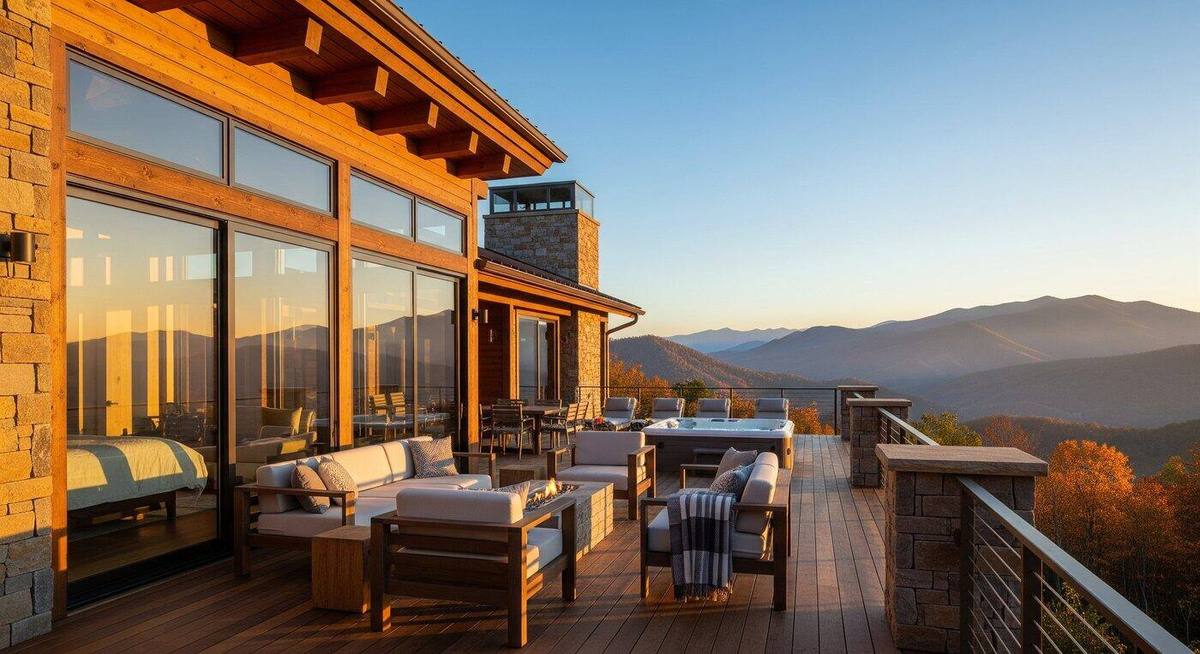
When you invest in a Smoky Mountain cabin, timing is everything. You want to know when your calendar will overflow, when rates should rise, and when to plan maintenance without missing revenue. The good news is that demand in the Smokies follows a consistent rhythm shaped by school calendars, park visitation, and beloved local events. In this guide, you will get a clear view of the seasonal booking curve, practical pricing tactics, operational planning tips, and what it all means for cash flow and risk. Let’s dive in.
The Smoky Mountain booking curve
Seasonality in the Smokies is predictable, with a few event-driven surprises. Understanding the curve helps you price confidently and plan operations.
Summer peak: late May to August
Summer is the primary peak. Families travel during school breaks, and warm weather opens up hiking, water activities, and amusement attractions. Expect strong occupancy and higher average daily rates. Popular hubs like Gatlinburg, Pigeon Forge, Sevierville, and nearby towns draw overflow from regional drive markets.
Fall leaf season: mid-September to early November
Fall foliage brings a second surge, especially in October. Leaf peepers and photographers flood the region for scenic drives and hiking. Bookings compress into weekends, so weekends often outperform weekdays. Rates typically rival summer levels during the October spike.
Winter holidays: mid-December to early January
Christmas and New Year weeks create another mini-peak. Holiday events and festive displays keep calendars busy even in colder weather. Guests look for cozy amenities like fireplaces and hot tubs, along with space to gather.
Spring shoulder: late March to May
Spring demand builds around spring break and Easter. It can vary year to year based on school calendars and weather. Flexible pricing and minimum nights help capture both families and couples seeking shorter stays.
Low season: January to early March
Outside of holiday weekends, January and February are the slowest. Colder weather and occasional road or park closures can trigger cancellations. Most owners lower rates and experiment with length-of-stay discounts to steady occupancy.
What drives demand here
The Smokies benefit from Great Smoky Mountains National Park, the most visited national park in the country. That steady draw, combined with regional attractions and short drive access from cities like Nashville, Knoxville, Atlanta, and Charlotte, fuels year-round interest.
-
Park visitation patterns shape occupancy, especially in summer and fall.
-
Attractions like Dollywood, the Gatlinburg strip, winter festivities, and seasonal events create micro-peaks outside the main seasons.
-
Guest types shift by season: families in summer, couples in shoulder months, leaf peepers in October, and holiday groups in late December.
Pricing and occupancy strategy
Your revenue plan should shift by season. Think in terms of price, minimum nights, discounts, and add-ons.
-
Use dynamic pricing to adjust quickly for event weekends, school calendars, and weather shifts.
-
Change minimum nights by season. Increase them during holiday weeks and October weekends. Shorten them midweek in spring and winter.
-
Offer length-of-stay discounts in shoulder and low seasons to fill gaps.
-
Consider targeted packages, like midweek specials or bundled experiences, to stand out.
-
Align cleaning and service fees with turnover expectations and consider waiving fees for longer stays in slower months.
Tactics by season
-
Summer: Hold firm on rates when pace is strong. Require longer minimums for weekends and holiday weeks. Offer early check-in or late check-out for a fee when operations allow.
-
Fall: Price for weekend compression and be quick to respond to October spikes. Highlight views, foliage access, and cozy amenities.
-
Winter holidays: Require longer minimums for Christmas and New Year. Decor that photographs well can lift conversion. Enforce clear house rules for hot tub and fireplace use.
-
Spring: Use flexible minimums and midweek deals to capture variable demand. Promote spring wildflower hikes and lighter crowds.
-
Low season: Reduce ADR, shorten minimums, and promote extended stays. Test work-from-cabin messaging for guests who value quiet and reliable Wi-Fi.
Ancillary revenue ideas
-
Pet-friendly policies with appropriate fees can boost bookings, especially for drive-market guests.
-
Add-ons such as grocery stocking, guided hikes, or shuttle services can differentiate your listing.
-
Charging for early arrival or late departure can add yield on peak weekends.
Operations that flex with the calendar
Seasonality affects staffing, maintenance, and guest experience. Plan ahead to prevent stress during peak weeks.
-
Staffing: Secure cleaning and maintenance capacity before summer and fall peaks. Outsourced laundry can help with back-to-back turnover.
-
Turnovers: Build realistic housekeeping windows and consider buffers during holiday weeks. Quality control matters most when pace is highest.
-
Winterization: Protect plumbing from freeze and thaw cycles. Use insulation and heat tape where needed and set thermostats to safe levels between stays.
-
Access and safety: Arrange snow removal and keep driveway access clear in winter. Provide guests with mountain driving guidance, cell service notes, and weather alert instructions.
-
Amenities: Hot tubs and fireplaces are essential in cooler months. Keep a strict service schedule, post clear instructions, and enforce safety rules.
-
Maintenance windows: Use January and February for deep maintenance, capital improvements, and marketing updates that position you for spring and summer.
Regulations, taxes, and insurance
Short-term rental rules and taxes vary by city and county in the Smokies. Always verify local requirements before you buy or list.
-
Permits and inspections: Municipalities such as Gatlinburg and Pigeon Forge have permitting and safety standards. Requirements often include business licenses, occupancy limits, and compliance inspections.
-
Lodging and sales taxes: Transient occupancy taxes and local tourism taxes apply in many jurisdictions. Hosts typically register and remit at the city or county level.
-
Tennessee note: The state does not tax wages as personal income, but rental profits are still subject to federal taxes.
-
Federal tax treatment: Most STR income is taxable. Material participation can affect whether your activity is reported as passive or active, which influences deductions and self-employment taxes. The 14-day rule rarely applies in typical STR models.
-
Platform collection: Some platforms collect and remit certain taxes on your behalf, but do not assume full coverage. Confirm what is handled and what you still owe locally.
-
Insurance: Standard homeowner policies often exclude STR use. Secure an STR-specific or commercial policy and consider umbrella liability coverage, especially with amenities like hot tubs and fireplaces.
Marketing and distribution by season
Your message should match what guests want in each season, and your channel mix should reach the right travelers at the right time.
-
Summer: Emphasize family-friendly spaces, bunk rooms, proximity to trails, and access to attractions.
-
Fall: Lead with views, foliage routes, fireplaces, and hot tubs. Showcase photography spots.
-
Winter holidays: Highlight décor, gathering spaces, and closeness to seasonal events.
-
Low season: Promote long-stay and work-from-cabin value, quieter trails, and local festivals.
A multi-channel approach helps you capture different segments. Listing on major platforms while cultivating direct bookings can improve margins in shoulder months. Keep minimum nights and pricing aligned across channels to avoid parity issues.
Build a seasonality-aware projection
A solid pro forma blends history, local insights, and conservative assumptions. Focus on three components: occupancy by month, ADR by month, and a realistic split of fixed and variable costs.
-
Start with a 12-month occupancy profile from market intel or local manager benchmarks. Adjust for the event calendar and micro-peaks.
-
Layer ADR by month, then test best, base, and down scenarios to account for weather, fuel prices, or park closures.
-
Allocate costs monthly, including reserves for low-season cash flow. Amortize annual fees and insurance to avoid spikes.
-
Time major repairs or upgrades for January and February to reduce revenue impact and enter spring with a refreshed property.
What this means for your strategy
Seasonality in the Smokies is not a risk to avoid. It is a lever you can pull with the right plan.
-
Price into peaks, not just around them. Use minimum nights and dynamic pricing to capture premium weeks.
-
Smooth the lows by targeting extended stays and midweek demand with clear value messaging.
-
Invest in operations early. Reliable cleaning, maintenance, and safety protocols protect your ratings and your time.
-
Stay current on local permitting, taxes, and insurance. Compliance protects your investment and supports community stewardship.
-
Build a 12-month model and maintain reserves. Planning makes cash flow predictable even when demand dips.
If you want a partner who designs, builds, markets, and manages with seasonality in mind, our integrated development-to-management platform can help. From site selection and new construction to lease-up, pricing strategy, and owner portals with transparent reporting, we align your cabin with the Smokies calendar and your return goals. When you are ready, connect with Smithsonian Real Estate for a plan tailored to your property and objectives.
FAQs
When are Smoky Mountain cabins busiest for short-term rentals?
- Summer, peak fall foliage in October, and the winter holidays typically deliver the highest occupancy and rates, with event weekends creating additional spikes.
How should a new owner price across seasons in Gatlinburg and Pigeon Forge?
- Use dynamic pricing, increase minimum nights for holiday weeks and October weekends, and offer midweek or long-stay discounts in spring and winter to fill gaps.
What winter operations should Smoky Mountain STR owners plan for?
- Winterize plumbing, line up snow removal, service hot tubs and fireplaces, and provide clear driving and safety guidance for guests.
Do local rules limit short-term rentals in Sevier County cities?
- Many jurisdictions require permits, inspections, and adherence to zoning and occupancy rules, so verify municipal requirements before listing.
What insurance do Smoky Mountain STR owners need beyond a homeowner policy?
- An STR-specific or commercial policy is often required, and additional umbrella liability coverage is wise given amenities and terrain.
How predictable is month-to-month revenue for Smoky Mountain cabins?
- Revenue is seasonal and can be lumpy, so use a monthly occupancy and ADR plan, maintain reserves, and diversify marketing to steady shoulder-month bookings.
This article is general educational information, not legal, tax, or financial advice. Rules, rates, and local regulations change and depend on your specific situation. Consult your CPA, attorney, or a qualified professional before acting.
Thinking about buying, selling, or investing in the Smokies? Connect with Smithsonian Real Estate for a market-informed plan tailored to your goals.
Get the checklist
Enter your details and the one-page PDF downloads instantly. No spam, no pressure.


