
Smoky Mountain Life
What It’s Like To Own A Gatlinburg Cabin
February 5, 2026 · 8 min read
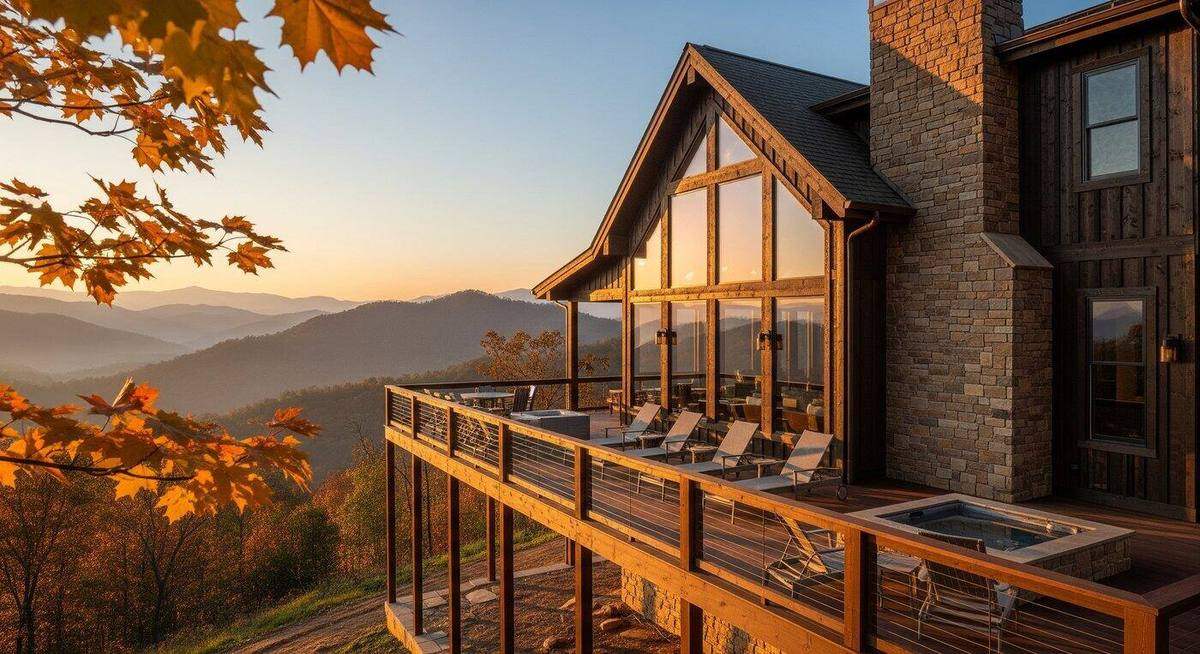
Ever wonder what day-to-day cabin ownership in Gatlinburg really looks like? You picture mountain views and cozy fires, but you also want the facts on seasons, upkeep, guest expectations and costs. You’re smart to ask before you buy. In this guide, you’ll learn the rhythms of the Gatlinburg market, practical maintenance and budgeting tips, and how to manage risk so you can enjoy the lifestyle and protect your investment. Let’s dive in.
Why Gatlinburg cabins attract buyers
Gatlinburg sits at the gateway to Great Smoky Mountains National Park, the most-visited national park in the country. That steady stream of park visitors supports lodging demand, restaurants, retail and outdoor attractions across Sevier County. When you own a cabin here, you benefit from travel patterns that repeat year after year.
Popular draws include hiking and scenic drives, Ober Gatlinburg, Anakeesta and downtown Parkway attractions. Seasonal events like spring wildflowers, fall color, and Winterfest lights create reliable peaks in interest. This combination gives you both lifestyle value and short-term rental potential.
Seasonality and what it means for you
Peak seasons tend to run late spring through summer, plus the high-color weeks of fall. Holiday periods, especially Thanksgiving through New Year’s, bring demand spikes. If you rent your cabin, expect stronger weekend bookings across the calendar and softer midweek occupancy outside peak windows.
Late winter and early spring are often quieter. The exception is ski weekends tied to Ober Gatlinburg. Planning your cash flow and pricing around these patterns helps you capture revenue in high-demand weeks and protect margins during slower periods.
Daily life as an owner
Living part time in your cabin
When you stay at your own cabin, the perks are real. You have quick access to hikes, fishing spots, scenic drives, local dining and arts. Outside of holiday weekends, you can enjoy a calmer pace in many neighborhoods.
There are practical trade-offs. Many cabins sit on winding mountain roads with steep driveways and limited parking. Winter snow or ice can make access tricky without proper traction. In-town areas may have municipal water and sewer, while many mountainside properties rely on wells and septic systems. Internet and cell coverage improve closer to town and can be more limited at higher elevations.
Operating a short-term rental
In peak periods, guest turnover days often cluster on Fridays and Saturdays. That means frequent cleanings, linen changes, restocking and guest messaging in tight windows. Many owners hire local property managers to handle guest communications, cleanings, maintenance coordination and compliance tasks. Managers lighten your workload, though fees vary by service level.
Guests tend to value reliable Wi-Fi, consistent heating and air, hot water, clear parking guidance, trash instructions and basic wildlife safety notes. Quick response to issues is essential for reviews and repeat bookings.
Maintenance rhythms you should expect
Routine and seasonal tasks
Plan a maintenance calendar that keeps your cabin safe and guest-ready:
-
Annual: HVAC inspection and filter changes; chimney or wood-stove cleaning and inspection if used; roof and gutter checks; pest control inspection; test smoke and CO alarms and fire extinguishers.
-
Every 3 to 5 years: Septic tank pumping and inspection if on septic, with timing based on usage and health department guidance.
-
Seasonal: Winterize plumbing if leaving the cabin vacant in freezing weather. De-winterize and pressure-test in spring. Restain and repair decks as exposure requires. Service backup generators annually.
-
After major weather: Inspect for wind, storm or water damage. Check driveways, gravel, retaining walls and erosion control.
Vendors and staffing
You will likely work with a few core services:
-
Cleaning and linen turnover after each guest stay.
-
Landscaping and debris clearing, especially on wooded lots.
-
Pest and wildlife control with quick response to signs of intrusion.
Seasonal labor availability can tighten during peak tourism months. Building relationships with reputable vendors or choosing a full-service manager can reduce stress during busy periods.
Budget planning and reserves
Your annual budget will include property taxes, insurance, utilities like electric and propane, internet, trash service, and pest control. If you belong to an HOA, add dues. Operating costs for rentals include cleaning, property management, linens and supplies, and listing or marketing fees.
A common starting point is to set aside about 1 to 2 percent of property value each year for maintenance and repairs. Adjust based on cabin age, guest traffic, lot conditions and local labor costs. Property management fees vary widely by services offered. Get multiple bids and compare percentage versus flat-fee structures.
Insurance and liability
Standard homeowners policies may not cover rental-related liabilities. If you rent, confirm that your coverage addresses short-term rental use and related commercial exposures. Some owners add STR-specific policies or an umbrella policy for extra liability protection.
Natural hazards can affect premiums. Wildfire, wind and flood risks require the right coverage mix. Flood insurance is purchased separately if the property lies within a mapped flood zone.
Mountain-specific ownership realities
Wood-burning fireplaces or stoves add ambiance, but they also add work. Plan for annual chimney sweeps and more frequent checks with heavy use. Wildlife is part of the Smokies. Use bear-proof trash storage, remove food attractants and secure propane tanks and exterior garbage containers.
Steep or gravel driveways need grading and traction strategies. If you plan to host in winter, line up snow and ice solutions in advance. Vegetation management and defensible space are smart practices for wildfire preparedness, a priority reinforced by the 2016 wildfires in parts of Gatlinburg and Sevier County.
Regulations and taxes to know
Gatlinburg has local regulations for short-term rentals, including permitting or licensing, safety and occupancy rules, and in some cases inspections. Requirements can change, so verify current municipal codes and zoning for your parcel before you operate.
Short-term rental operators must collect and remit applicable state and local sales and lodging taxes. The Tennessee Department of Revenue and local offices outline registration and remittance steps. Noncompliance can lead to fines, closures of listings and tax liabilities. Confirm your registrations before taking bookings.
Risks and emergency planning
Wildfire awareness is part of ownership in the region. Maintain defensible space, consider fire-resistant materials where feasible and keep an evacuation plan and updated insurance coverage. Heavy rains, steep slopes and certain topographies can present localized flooding or landslide risk. Review flood mapping and site conditions during due diligence and after major storms.
Gatlinburg has local responders and clinics. For advanced medical care, larger hospitals in the Knoxville area are typically about an hour away, depending on traffic and road conditions. If you plan independent living in a more remote setting, factor this into your personal safety and guest messaging.
Resale value and what helps it
Buyers and guests tend to pay more for cabins with convenient access to the national park and downtown, strong mountain views, safer and simpler driveway access, and quality interiors. Amenities like a hot tub, game room and high-speed internet can lift both nightly rates and resale value.
Potential constraints include future changes to rental rules, damage from natural events, limited road access or neighborhood resistance to rentals. Understanding these dynamics upfront positions you for stronger long-term value.
Smart checks before you buy
Use this quick checklist during your search:
-
Confirm zoning and short-term rental eligibility for the specific parcel.
-
Inspect septic and well systems if applicable, and verify permits and capacity.
-
Evaluate driveway grade and year-round access for you and guests.
-
Check availability of utilities and realistic internet options at the address.
-
Review county tax and zoning records and building or permit history.
-
Model annual operating costs and reserves based on age and guest intensity.
-
Align property features with rental demand drivers and your lifestyle goals.
How Smithsonian Real Estate helps
Owning a Gatlinburg cabin can be both rewarding and operationally complex. A vertically integrated partner simplifies the journey. Smithsonian Real Estate combines in-house development, brokerage and affiliated property management to reduce friction from purchase through daily operations. You get amenity-rich, performance-focused cabins, a clear lease-up plan and owner portals for reporting and accounting.
If you are acquiring, listing or optimizing a Smoky Mountain cabin, our team aligns build quality with guest expectations and local compliance, so you can focus on returns and time with family. When you are ready, reach out to Smithsonian Real Estate to explore opportunities and next steps.
FAQs
How seasonal is Gatlinburg short-term rental demand?
- Expect strong bookings in late spring through summer, a surge in autumn, and holiday spikes, with softer midweek occupancy outside peak periods.
What maintenance does a Smoky Mountains cabin need each year?
- Plan for HVAC service, chimney and roof checks, pest inspections, and testing of smoke and CO alarms, plus seasonal tasks like winterizing and deck care.
Are Gatlinburg cabins hard to access in winter?
- Some are, especially with steep or winding roads; snow and ice can require traction measures and advance planning for guest arrivals.
What insurance should a Gatlinburg STR owner consider?
- Confirm your policy covers short-term rental use and consider STR-specific or umbrella liability coverage, plus evaluate wildfire, wind and flood needs.
How do local STR permits and taxes work in Gatlinburg?
- You must follow municipal permitting and safety rules and register to collect and remit applicable state and local lodging taxes; verify current requirements.
What features boost a cabin’s resale value in Gatlinburg?
- Proximity to park and downtown, strong views, easier access, quality interiors and amenities like a hot tub, game room and reliable high-speed internet.
This article is general educational information, not legal, tax, or financial advice. Rules, rates, and local regulations change and depend on your specific situation. Consult your CPA, attorney, or a qualified professional before acting.
Thinking about buying, selling, or investing in the Smokies? Connect with Smithsonian Real Estate for a market-informed plan tailored to your goals.
Get the checklist
Enter your details and the one-page PDF downloads instantly. No spam, no pressure.


