
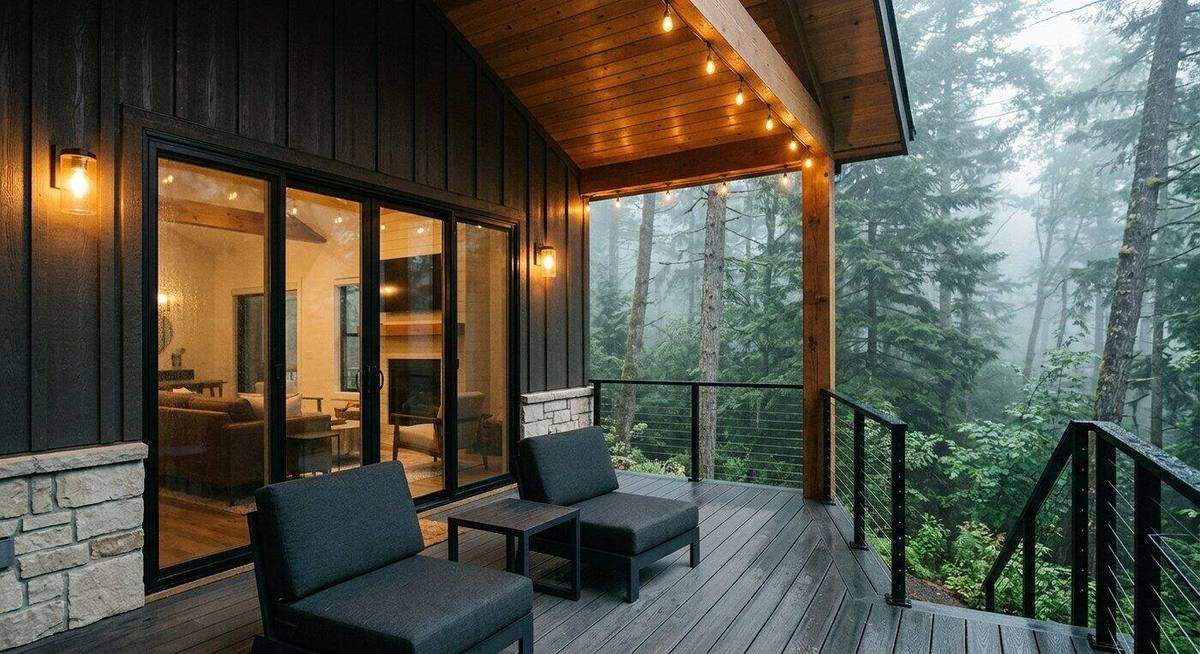
If you have been eyeing a cabin in the Smokies, one question matters more than the view: will you use it mostly for yourself, mostly for income, or truly both? That choice shapes financing, taxes, permits, and even the kind of floor plan that makes sense. In a destination market tied to millions of annual visitors, the answer is not always obvious. Let’s break down how to think through a second home, an investment property, or a hybrid in Smoky Mountain Retreat and the wider Haywood County area.
Why the Smokies draw both buyers
The Smoky Mountains continue to attract strong travel demand. The Great Smoky Mountains National Park recorded 11,527,939 recreation visits in 2025, and the National Park Service notes that the park is within a day’s drive of more than half of the U.S. population. That broad draw helps explain why many buyers see mountain property as both a lifestyle purchase and a potential income opportunity.
Haywood County also benefits from its place in the North Carolina Smokies. According to the Haywood County tourism fact sheet, the county includes five mountain towns, 46 scenic miles of the Blue Ridge Parkway, and a lodging mix that includes cabins, inns, and vacation rentals. For you as a buyer, that means you are looking at a market where personal enjoyment and short-stay demand can overlap.
Visitor patterns add more context. The National Park Service reports that 81% of visitor groups in a summer 2022 survey were not local residents, and June through October were the busiest months in 2023. In practical terms, this is a destination-driven market where ownership decisions should be based on how you plan to use the property, not just how attractive the cabin looks online.
What counts as a second home
A second home is not just a casual label. Under Fannie Mae occupancy rules, a second home must be occupied by the borrower for part of the year, be suitable for year-round use, remain under the borrower’s exclusive control, and cannot be a rental property or timeshare.
That definition matters because many buyers assume they can call a property a second home as long as they visit it a few times a year. In reality, loan treatment depends on occupancy standards, and lenders look closely at whether the property functions like a true personal-use home.
You may still have some rental activity in certain cases, but Fannie Mae says that rental income from a second home cannot be used to qualify for the loan. If your main goal is income production rather than personal occupancy, you are likely looking at a different category.
What counts as an investment property
An investment property is generally owned but not occupied by the borrower. Per Fannie Mae’s guidelines, these loans must receive a DU Approve/Eligible recommendation.
For you, this means the property is being evaluated more as an income-oriented asset than a retreat for personal use. Financing standards, pricing adjustments, and down payment expectations are often different from what you would see on a second-home purchase.
Freddie Mac’s current conforming LTV chart shows the distinction clearly. Maximum purchase or no-cash-out refinance LTVs are listed at 90% for a second home, 85% for a one-unit investment property, and 75% for a two- to four-unit investment property. That difference can affect your cash needed at closing and your overall buying strategy.
How a hybrid property really works
Many Smoky Mountain buyers want both personal enjoyment and rental income. That can work, but the hybrid model has real tax and occupancy implications.
The IRS day-count rules are especially important here. Personal use above the greater of 14 days or 10% of rental days can make the property a residence for tax purposes, while a dwelling rented for fewer than 15 days during the year generally is not treated as rental activity.
The key takeaway is simple: hybrid ownership is not just a lifestyle choice. It can change tax treatment, deductions, and how much prime calendar time you can realistically keep for yourself. If you picture heavy personal use during peak travel months, that may directly affect rental potential and tax planning.
Why location rules matter first
Before you focus on design, amenities, or projected rental performance, confirm the property’s jurisdiction and local requirements. In mountain markets, the same style of cabin can face very different rules depending on where it sits.
For example, Haywood County requires occupancy tax collection for rentals under 90 days, and registered properties receive a free listing on Visit NC Smokies. If your plan includes short-term renting in Haywood County, that is part of your operating setup from the start.
Nearby Smokies jurisdictions show how detailed these rules can become. In Gatlinburg, buyers seeking overnight-rental use need a Tourist Residency Permit and zoning verification. In Sevierville, short-term rentals require an annual operational permit, life-safety inspection, and city-limits verification. In unincorporated Sevier County, STRU permits have been required since January 1, 2024, with safety documentation tied to approval.
The lesson for you is clear: always confirm city or county limits, rental rules, and operating requirements before you buy. A cabin’s legal fit can matter just as much as its view or revenue potential.
HOA and project rules can change everything
Not every property that looks rental-friendly will be financing-friendly. Fannie Mae flags certain project types as red flags or ineligible, including resort- or hotel-style projects, mandatory rental-pooling arrangements, and units without full-sized kitchen appliances.
This is why project documents and HOA rules deserve close review. If a community requires a rental pool or operates too much like a hotel, that can affect both your financing path and how you use the property.
For second-home buyers in particular, this step is easy to underestimate. You may love the amenities, but if the ownership structure limits exclusive control or creates financing issues, it may not fit your goals.
Floor plans that fit Smoky Mountain demand
A cabin should support the way people actually travel to the Smokies. National Park Service data show that more than half of winter 2023 car travelers were groups of two, with one-person and four-person groups next most common.
That suggests a practical sweet spot for many buyers: flexible layouts that work well for two to four guests, even if some owners intentionally target larger group cabins. A property does not always need maximum sleeping capacity to be useful or appealing.
In a short-stay market, a real kitchen, comfortable shared living space, and adaptable sleeping arrangements can often deliver more day-to-day value than a layout built only to maximize headcount. That matters whether you are buying primarily for your own getaways or planning to host guests.
Furnishings should match mountain conditions
Finishes and furnishings are not just a design decision. They also affect maintenance, turnover, and long-term ownership costs.
The Haywood County tourism fact sheet reports annual averages of 47.5 inches of rain and 12.2 inches of snowfall. In that setting, moisture-resistant finishes, durable fabrics, and easy-to-replace furnishings are practical choices.
Safety and operations matter too. Sevierville and Sevier County short-term rental programs emphasize items such as smoke alarms, carbon-monoxide alarms, fire extinguishers, and local contact information. Even if your property is in Haywood County, it is smart to think the same way: furnish and equip the home so it is easy to maintain, easy to inspect, and ready for consistent use.
A simple way to decide
If you are torn between a second home, an investment property, or a hybrid, start with your actual occupancy pattern. Ask yourself these questions:
-
Will you use the property regularly for personal trips?
-
Do you want to preserve peak-season dates for yourself?
-
Will rental income be central to your purchase decision?
-
Is the property in a jurisdiction that supports your intended use?
-
Do HOA or project rules limit rental flexibility?
From there, match your answer to financing, tax, and permitting realities. Based on the rules above, the most useful checklist is to confirm intended occupancy, verify city or county limits, review HOA rules for rental pooling or hotel-style operations, and keep personal-use days separate from rental days before tax season.
Choosing the right path for you
A second home may be the better fit if you want control, regular personal use, and a retreat that feels fully yours. An investment property may make more sense if you are focused on income, operations, and a structure built around rental use.
A hybrid can work well, but only if you go in with a clear plan. In the Smokies, the smartest decision usually comes down to two things: how you will actually use the property and which jurisdiction governs it.
If you want a partner who understands the moving parts of Smoky Mountain ownership, from acquisition to operations, Smithsonian Real Estate offers a streamlined approach for buyers exploring second homes, short-term rentals, and turnkey mountain property opportunities.
FAQs
What is the difference between a second home and an investment property in the Smokies?
- A second home is occupied by you for part of the year and must meet lender rules for personal use, while an investment property is generally owned for income and not occupied by you as a residence.
Can a Smoky Mountain cabin be both a personal retreat and a rental?
- Yes, but personal-use days and rental days can affect financing treatment and tax treatment, so it is important to plan the hybrid model carefully.
Do Haywood County vacation rentals require tax registration?
- Yes, Haywood County requires occupancy tax collection for rentals under 90 days.
Why do local permit rules matter when buying a Smoky Mountain cabin?
- Permit and jurisdiction rules affect whether you can legally use the property as a short-term rental and what safety or operational steps you must follow.
How does financing differ for a second home versus an investment cabin?
- Conforming loan guidelines generally allow higher maximum LTVs for second homes than for investment properties, which can affect your down payment and loan structure.
What cabin features make sense for Smoky Mountain buyers and guests?
- Flexible sleeping space, a full kitchen, comfortable shared living areas, and durable finishes are practical choices for both personal use and short-stay demand in the region.
This article is general educational information, not legal, tax, or financial advice. Rules, rates, and local regulations change and depend on your specific situation. Consult your CPA, attorney, or a qualified professional before acting.
Thinking about buying, selling, or investing in the Smokies? Connect with Smithsonian Real Estate for a market-informed plan tailored to your goals.
Get the checklist
Enter your details and the one-page PDF downloads instantly. No spam, no pressure.


