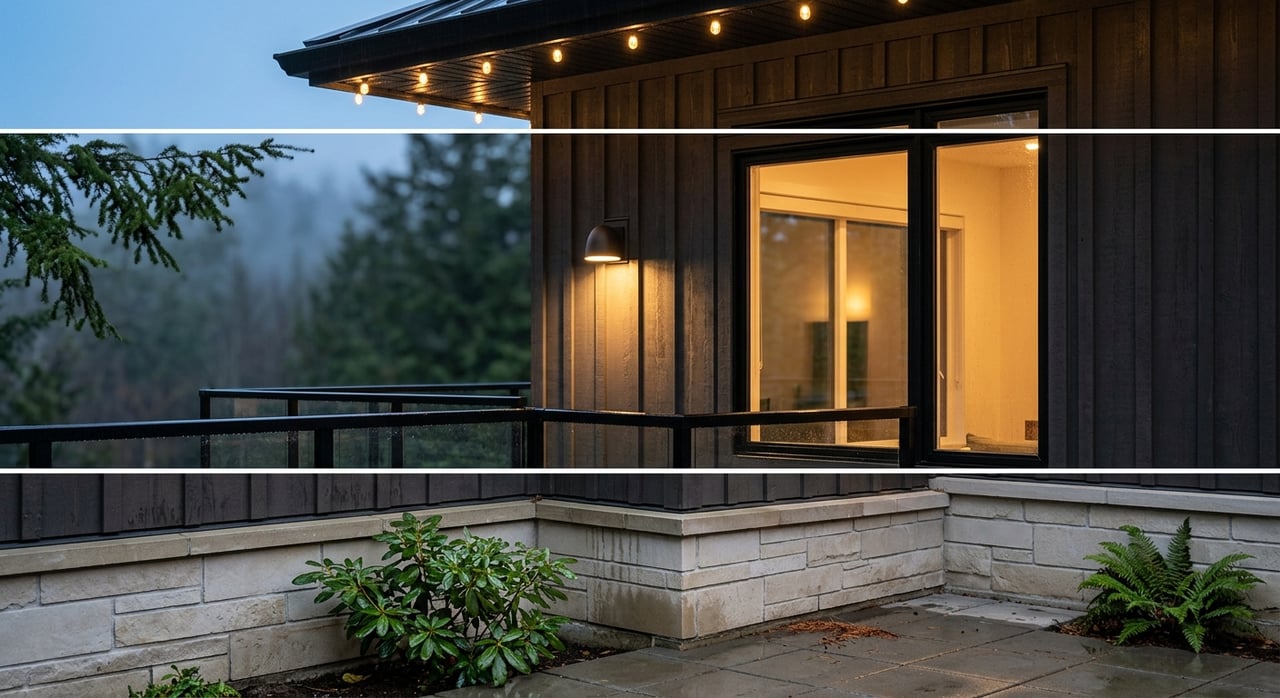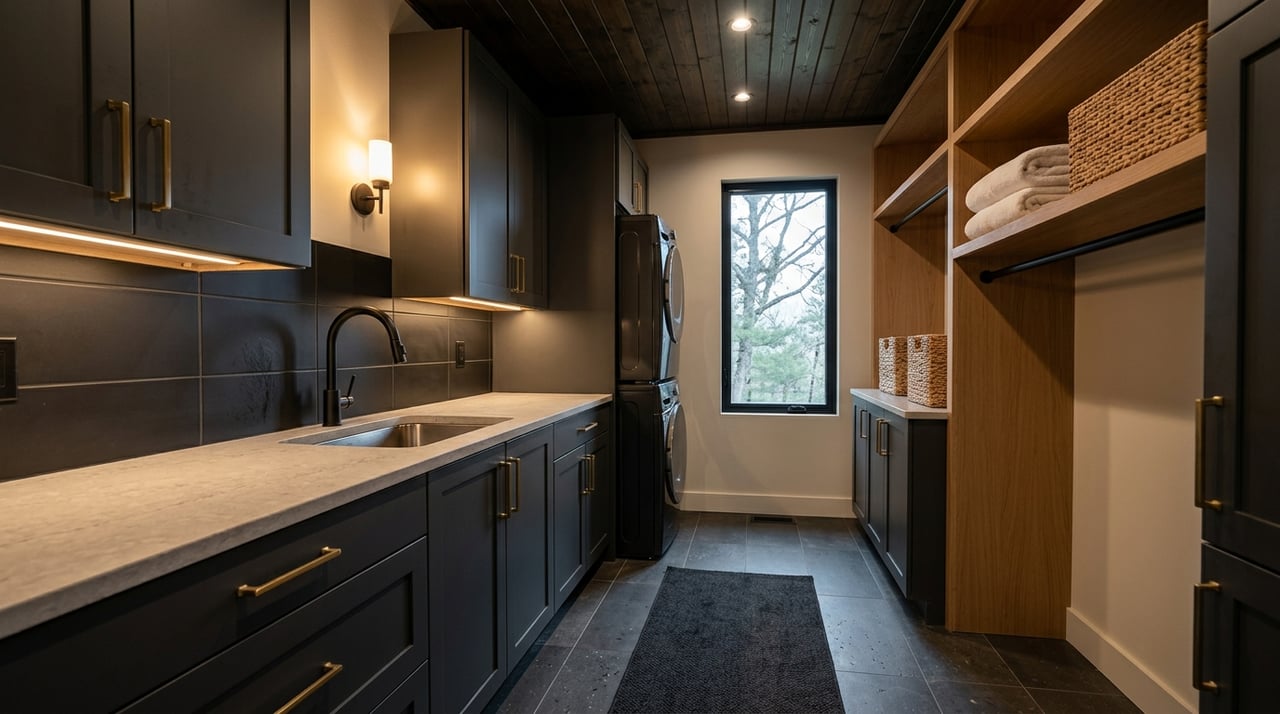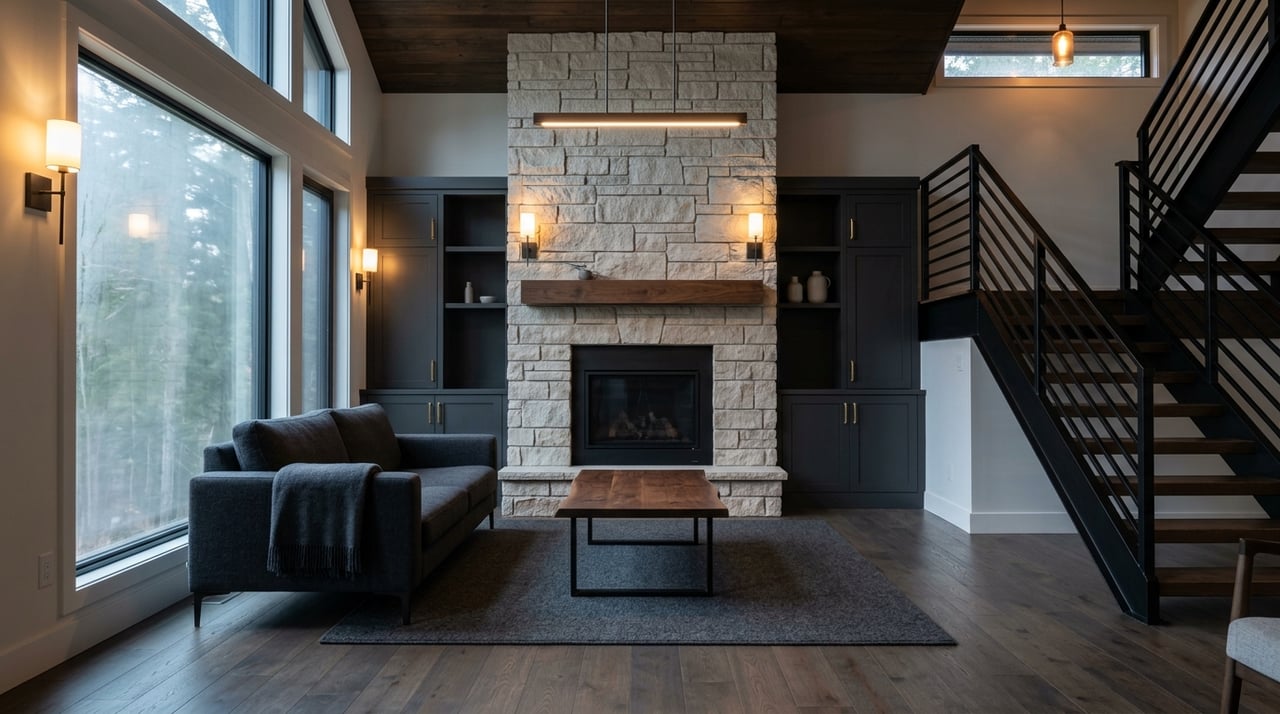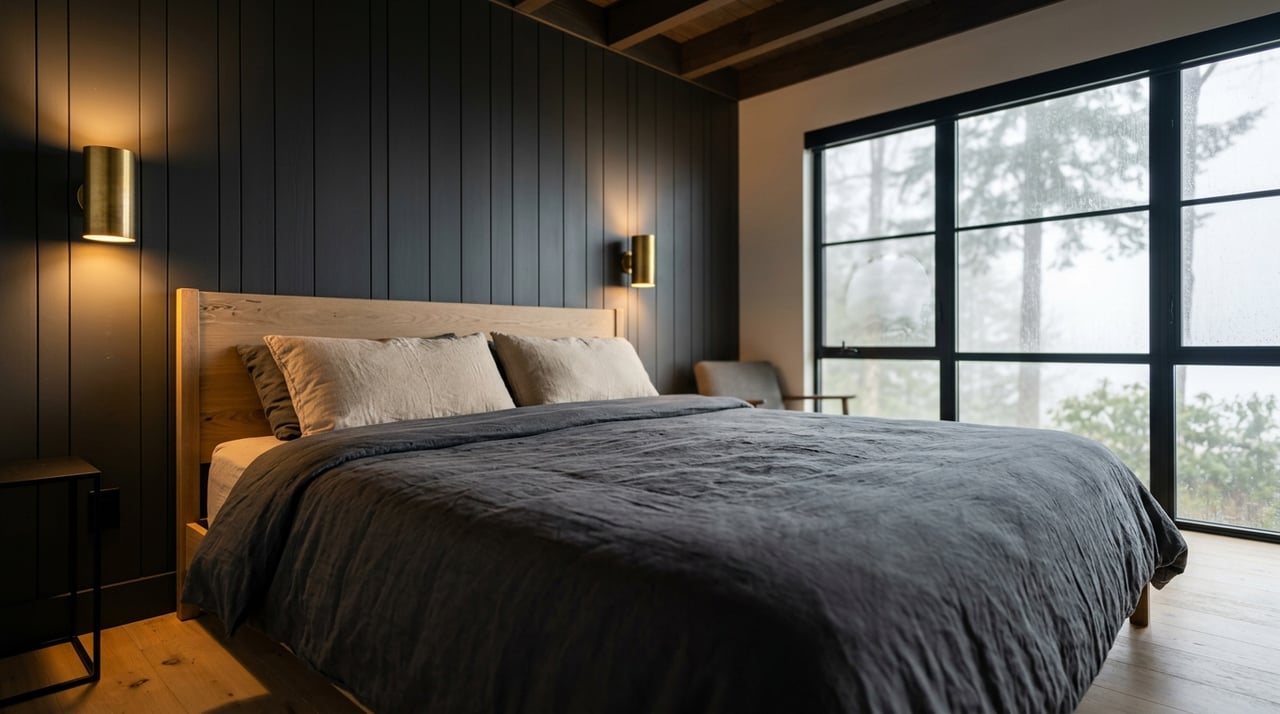
Craving a place where mornings start with mountain air, afternoons can mean a scenic drive or trail walk, and evenings end by the fire? That is the draw of cabin living in Haywood County, where the Great Smoky Mountains shape everyday routines in a way that feels both peaceful and practical. If you are thinking about a second home, a mountain retreat, or a cabin with short-term rental potential, this guide will show you what life here really looks like. Let’s dive in.
Why Haywood County Feels Different
Haywood County covers 546 square miles and has about 57,000 residents, giving you a setting that feels spacious without being disconnected from daily needs. The county sits about 20 miles west of Asheville and includes well-known communities like Waynesville, Maggie Valley, Lake Junaluska, Canton, and Clyde.
What makes this area especially appealing is its balance. You get small-town convenience, mountain scenery, and access to a portion of Great Smoky Mountains National Park, all within the same regional lifestyle. For many buyers, that mix is what turns a cabin from a weekend idea into a place you want to use often.
Cabin Life Is Truly Four Seasons
Living in the Smokies means your cabin experience changes with the calendar. Nearby Waynesville climate data shows January averages around 35.0°F, July averages about 70.8°F, annual precipitation averages 50.23 inches, and annual snowfall averages 10.9 inches.
In real terms, that means winter can bring cold mornings, occasional snow, and weather-aware travel days. Summer tends to be warm but usually comfortable, while spring and fall bring the kind of scenery many buyers picture when they imagine mountain living.
What Each Season Brings
The Great Smoky Mountains have a strong seasonal rhythm. According to the National Park Service, winter opens up longer views, spring brings wildflowers and flowering trees, summer turns the landscape fully green, and autumn brings crisp air and fall color.
That seasonal variety adds value whether you want personal enjoyment, guest appeal, or both. A cabin here does not rely on just one peak season. It offers reasons to visit throughout the year.
Scenic Drives Become Part of Daily Life
One of the best parts of the cabin lifestyle in this area is that you do not always need a full day plan to enjoy it. Sometimes the outing is the point. Haywood County includes 46 scenic miles of the Blue Ridge Parkway, and the parkway itself was designed for slow travel at 45 mph or less.
That matters because mountain living here is not only about reaching a destination. It is also about having easy access to scenic drives, overlooks, and relaxed afternoon outings close to home. Keep in mind that road construction and closures can affect access, so a little flexibility goes a long way.
Outdoor Access Is a Major Lifestyle Advantage
If you picture cabin ownership with regular time outside, this part of the Smokies delivers. Great Smoky Mountains National Park offers more than 800 miles of trails, creating a wide range of options for hiking, sightseeing, and repeat visits.
At the same time, mountain recreation here comes with real conditions. Trail access can change quickly due to swollen streams, downed trees, erosion, or bridge washouts, so planning ahead is part of the experience. For many owners, that feels less like a drawback and more like part of the region’s authentic mountain character.
Cataloochee and Balsam Mountain Add Variety
Two areas stand out for Haywood County cabin owners. Cataloochee offers cultural history and is home to one of the park’s two main elk herds, while Balsam Mountain is known for cooler temperatures, scenic valley views, picnic areas, campgrounds, scenic drives, and trail access.
That variety supports more than big weekend adventures. It also supports simple habits you can repeat often, like a short hike, a scenic picnic, or an evening wildlife-viewing drive.
Wildlife Is Part of the Experience
Wildlife viewing is one of the region’s most memorable features, especially around Cataloochee. The Park Service requires visitors to stay at least 50 yards from wildlife, and some fields in Cataloochee Valley close to pedestrians and horse traffic during elk calving season in May and June and during elk rut in September and October.
For you as an owner, that means the outdoor lifestyle comes with both beauty and responsibility. The area offers remarkable access to nature, but the best experience comes from understanding the rules and seasonal patterns that protect it.
Winter Still Has Energy Here
Some mountain areas slow down sharply in winter, but Haywood County still gives you plenty to do. Cataloochee Ski Area in Maggie Valley features 18 slopes and trails, terrain for beginners and advanced skiers, lessons, and a daily snow report.
That helps cabin life feel active even during colder months. You can have ski days, cozy weekends by the fire, or quick winter escapes, while still planning around the realities of mountain weather and occasional travel delays.
Town Access Keeps Cabin Living Practical
A great cabin lifestyle is not only about the view from the deck. It is also about how easily you can move between the outdoors and everyday comforts. In Haywood County, that blend is one of the strongest selling points.
Waynesville is known as a downtown hub with boutiques, artisan goods, farm-to-table restaurants, and craft beer. Maggie Valley serves as a scenic base for exploration and puts you close to attractions like Cataloochee Ski Area, elk watching, and Wheels Through Time Museum.
This town network gives cabin ownership more flexibility. On clear days, you can spend time on the trail or parkway. On rainy or colder days, you still have dining, shopping, and indoor attractions nearby.
Why the Visitor Economy Matters
The Great Smoky Mountains remain the most visited national park in the country, and National Park Service data says visitors spent an estimated $2.0 billion in local gateway regions in 2024. That level of tourism helps explain why Haywood County feels active across the calendar.
For second-home buyers, that can mean a lively regional backdrop with steady visitor demand. For buyers considering short-term rental use, it points to a market supported by year-round destination appeal, scenic infrastructure, and a broad mix of outdoor and town-based experiences.
What to Know About Short-Term Rental Use
If you are evaluating a cabin as both a retreat and an income property, local rules matter. In Haywood County, homes or vacation properties rented for less than 90 days must collect Haywood County Occupancy Tax.
Rental properties also must be registered with the county Finance Office and the Haywood County Tourism Development Authority, which operates as Visit NC Smokies. Occupancy tax remittances are due monthly on or before the 20th.
Why This Framework Matters for Owners
This local structure gives you a clearer picture of how short-term rental activity is organized. It also shows that visitor lodging plays a defined role in the county’s tourism system, with occupancy-tax funds supporting travel, tourism, visitor services, events, and tourism-related infrastructure.
Registered properties also receive a free listing on Visit NC Smokies and in the annual visitor guide. If you are comparing mountain markets, that kind of local visibility can be a useful factor to weigh as part of your ownership strategy.
What the Cabin Lifestyle Really Means
At its best, cabin living in the Haywood County Smokies is about access and rhythm. You have a real four-season climate, direct ties to the national park, scenic drives that become part of your routine, and towns that make the area comfortable for longer stays.
It is also a lifestyle with practical layers. Weather changes, trail conditions, and rental rules all matter here. That is not a negative. It is part of what makes ownership feel grounded, real, and better suited for buyers who want both mountain beauty and a clear understanding of how the area works.
If you are looking for a cabin that supports personal use, guest appeal, or a blend of both, Haywood County offers a compelling version of Smoky Mountain living. When you pair the setting with a smart acquisition and management plan, the lifestyle can be as rewarding as the view.
If you are exploring mountain cabins with second-home or investment potential, Smithsonian Real Estate can help you evaluate the right fit for your goals across the Greater Smoky Mountains corridor.
FAQs
What is cabin life like in Haywood County, North Carolina?
- Cabin life in Haywood County blends four-season weather, scenic mountain drives, trail access, nearby towns like Waynesville and Maggie Valley, and regular access to the Great Smoky Mountains setting.
What seasons are best for a Smoky Mountain cabin in Haywood County?
- Each season offers something different, with winter views and occasional snow, spring wildflowers, green summers, and colorful fall scenery, making the area appealing throughout the year.
What outdoor activities are near cabins in Haywood County?
- Owners and visitors can enjoy hiking in Great Smoky Mountains National Park, scenic drives on the Blue Ridge Parkway, wildlife viewing in Cataloochee, and winter recreation at Cataloochee Ski Area.
What should buyers know about short-term rentals in Haywood County?
- Properties rented for less than 90 days must collect Haywood County Occupancy Tax, register with the county Finance Office and Tourism Development Authority, and submit occupancy-tax payments monthly.
Why do buyers consider the Haywood County Smokies for second homes?
- Buyers are often drawn to the area’s mountain scenery, four-season use, access to towns and recreation, and the presence of a strong visitor economy tied to the Great Smoky Mountains and Blue Ridge Parkway.