
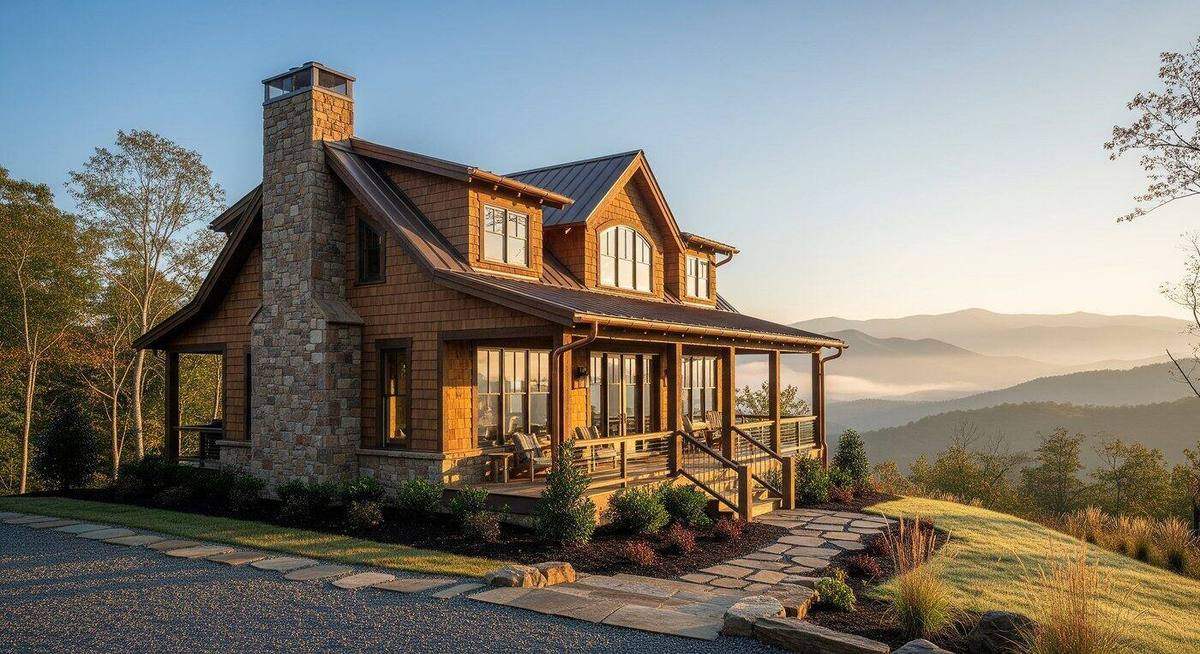
Buying or selling a cabin in Smoky Mountain Retreat can feel exciting until the appraisal shows up on your timeline. If you are not sure what appraisers look for in Haywood County’s mountain terrain, it can also feel like a black box. You want a fair valuation that reflects your cabin’s view, access, and rental potential. This guide breaks down how cabin appraisals work here, what affects value, and how to prepare so you avoid surprises and keep your deal on track. Let’s dive in.
What an appraisal does
An appraisal is a licensed appraiser’s independent opinion of market value used by lenders, buyers, and sellers to make informed decisions. You will see it most often during mortgage approval, but it also supports refinancing, tax appeals, estates, and sale negotiations.
Appraisers follow the Uniform Standards of Professional Appraisal Practice and North Carolina licensing rules. Conventional and government-backed loans may add requirements that shape the scope of work. The goal is to reflect how the market would price your property on the effective date of the report.
Appraisal types you may encounter
Full interior and exterior
A full appraisal includes an interior and exterior inspection with detailed measurement, photos, and analysis. For mountain cabins with unique features or access, this is the most common format.
Drive-by exterior only
An exterior-only appraisal may be used for low-risk refinances. Unique cabins in rural areas are less likely to qualify because interior condition and systems materially affect value.
Desktop or waiver
Some loans allow a desktop valuation or appraisal waiver when data is abundant and risk is low. Cabins with atypical features or rural access rarely qualify.
Update or recertification
If your deal is delayed, a lender may request an update to confirm no material change since the prior appraisal.
How value is determined for Haywood cabins
Sales Comparison Approach
For single-family cabins, the Sales Comparison Approach usually drives the value. The appraiser selects recent, nearby sales and adjusts for differences like size, condition, view, access, acreage, and utilities. In Smoky Mountain Retreat and similar micromarkets, the right comps often include other cabins with similar road access, topography, and privacy.
Cost Approach
When cabins are newer or comps are scarce, the appraiser may estimate what it would cost to build the improvements today, then subtract depreciation and add land value. This approach is supporting evidence when structures are older or lots differ significantly.
Income Approach
If your cabin is primarily a short-term rental, an appraiser may analyze income and occupancy to support value. For owner-occupied loans, many lenders still rely on the Sales Comparison Approach and treat income as context rather than a primary driver.
Mountain-specific factors that sway value
Access and site
-
Year-round paved access generally supports value. Steep, unpaved or seasonal roads reduce marketability.
-
Driveway steepness and parking space affect winter access and usability.
-
Larger, more private acreage helps, while very steep or unusable slope can limit contributory value.
-
Elevation can add desirability for views and cooler temperatures, yet snow and ice risk can temper it.
Utilities and systems
-
Municipal water is straightforward. Private wells need documentation such as yield, depth, and water quality.
-
Septic systems require permits and clear evidence of condition and any reserve area.
-
Heating types vary. Operational, certified wood stoves or fireplaces can boost appeal.
-
Broadband matters. Limited internet or cell coverage can reduce appeal to remote workers.
-
Flood or wildfire exposure can affect insurability, and flood zone status is reported because it impacts financing requirements.
Structure and condition
-
Construction type matters. Log, timber frame, modular or manufactured structures have different lender and appraisal considerations.
-
Documented upgrades like roof, foundation, septic, and well improvements support value.
-
Features built for mountain living, such as covered porches, decks, insulation, and storm windows, are considered.
Views, privacy, and recreation
-
Unobstructed mountain views and meaningful privacy often warrant positive adjustments.
-
Proximity to trails, national park access, rivers, or other recreation can increase demand.
-
Close proximity to high-traffic tourist corridors may reduce value for some buyers due to noise.
Short-term rental use
-
If marketed as a short-term rental, provide booking history, occupancy, and revenue. These can support the Income Approach in an investor-focused appraisal.
-
For owner-occupied financing, lenders typically prioritize comparable sales. STR income may still inform the analysis but is not guaranteed to drive the value.
Data and seasonality challenges
-
Unique cabins, remote locations, or small communities can limit direct comparables, which increases the importance of well-supported adjustments and secondary approaches.
-
Tourism-driven seasonality can influence when the most relevant comps are available.
Lender requirements that shape the appraisal
Occupancy and loan type
Different loan programs have different rules. Second homes and investment properties may require larger down payments, which can affect the appraisal type a lender orders.
Property type and foundations
Manufactured homes or non-traditional foundations often require additional documentation to satisfy lending standards.
Appraisal waivers and automation
Automated valuations and waivers are less common for unique or rural cabins. Expect a full appraisal for many mountain properties.
Flood and hazard considerations
If your cabin lies within a FEMA-designated flood zone, flood insurance is typically required. Appraisers report flood status and note conditions that may affect insurability, such as roof condition or fire risk.
What sellers should prepare
Strong documentation helps appraisers understand your property’s true market position. Gather the following before the appointment:
-
Suggested comparable sales with brief justification. The appraiser will verify independently.
-
MLS listing history for the subject and similar nearby properties.
-
Receipts and permits for renovations or major repairs, including roof, structural, septic, and well work.
-
Survey or plat showing boundaries and any easements.
-
Septic permit, well logs, and relevant health department records.
-
HOA covenants, CCRs, and road maintenance agreements if applicable.
-
Rental performance details if STR income is relevant, including booking history, gross and net income, and occupancy rates.
-
Photos that document access, parking, view, drainage, and any deferred maintenance you have addressed.
-
Utility bills that illustrate system usage patterns, helpful in income analyses.
-
Title information on access easements or recorded restrictions that affect use.
What buyers and investors should gather
If you are financing or running the numbers on an investment, prepare information that will streamline due diligence and valuation:
-
Your lender’s appraisal requirements and any occupancy or program rules.
-
A shortlist of truly comparable cabins that match access, acreage, and view.
-
STR assumptions if relevant, including management agreements and operating costs.
-
Questions about utilities, well and septic documentation, and insurance availability.
-
Awareness of local STR rules that may apply in nearby municipalities, since restrictions can influence marketability.
Day-of appraisal tips
-
Ensure safe, open access and clear parking for the appraiser.
-
Provide interior access and any codes or keys. Over-staging is not necessary.
-
Offer a concise packet with your documents and a short list of significant upgrades.
-
Be available for questions, then give space so the appraiser can work.
If the value comes in low
Low appraisals happen, especially when comps are scarce or access is challenging. You have options:
-
Renegotiate the price to meet appraised value.
-
Bring additional cash to close if your lender allows it.
-
Request a reconsideration of value through the lender. Provide relevant, recent comps and documentation. Keep it fact-based and concise.
-
Ask your lender about a second appraisal or appraisal review if there are substantive issues.
-
If you have an appraisal contingency, you may cancel the contract per its terms.
How Smithsonian Real Estate helps you prepare
You deserve an advisor who understands how mountain-specific features affect value. Our team pairs development know-how with brokerage and in-house property management, which helps you present your cabin clearly and credibly.
-
We position your property with accurate, cabin-to-cabin comparables and curated MLS exposure.
-
We help you organize the documents appraisers review, from permits and upgrades to HOA and road maintenance details.
-
For STR properties, we help you assemble booking, occupancy, and revenue history that supports a clean investor narrative.
-
For buyers, we focus on access, utilities, and operational realities so your offer aligns with likely valuation.
The result is a smoother path from offer to close, with fewer surprises and stronger confidence at each step.
Ready to plan your next move in Smoky Mountain Retreat or greater Haywood County? Connect with the team at Smithsonian Real Estate to align your strategy, documents, and timeline.
FAQs
How do appraisers value Smoky Mountain cabins compared to neighborhood homes?
- Appraisers use local cabin comps and adjust for mountain-specific factors like access, topography, utilities, views, and acreage. They may also use cost or income approaches when comps are limited.
Does short-term rental income increase my cabin’s appraised value?
- It can for investor-focused appraisals that use the Income Approach. For owner-occupied loans, lenders usually prioritize sales comparison, so STR income may inform the analysis but is not guaranteed to change value.
What features lower value for mountain cabins in Haywood County?
- Poor year-round access, unreliable or unpermitted utilities such as septic or a low-producing well, significant deferred maintenance, or regulatory restrictions on occupancy or STRs can reduce value.
How long does the appraisal process take for a mountain cabin?
- Many appraisals deliver in about 5 to 10 business days, though remote locations, difficult access, or scarce comps can push timelines longer.
Which appraisal type is most common for Smoky Mountain Retreat cabins?
- A full interior and exterior appraisal is most common, since unique features and rural settings usually require a thorough inspection.
What documents help the appraiser most in Haywood County?
- Comparable sales, MLS history, permits and receipts for major work, septic and well records, surveys, HOA or road maintenance agreements, STR performance history if relevant, and utility bills all help support the report.
This article is general educational information, not legal, tax, or financial advice. Rules, rates, and local regulations change and depend on your specific situation. Consult your CPA, attorney, or a qualified professional before acting.
Thinking about buying, selling, or investing in the Smokies? Connect with Smithsonian Real Estate for a market-informed plan tailored to your goals.
Get the checklist
Enter your details and the one-page PDF downloads instantly. No spam, no pressure.


