
Investing
Build vs Buy In Sevierville: Timeline, Budget, ROI
December 25, 2025 · 9 min read
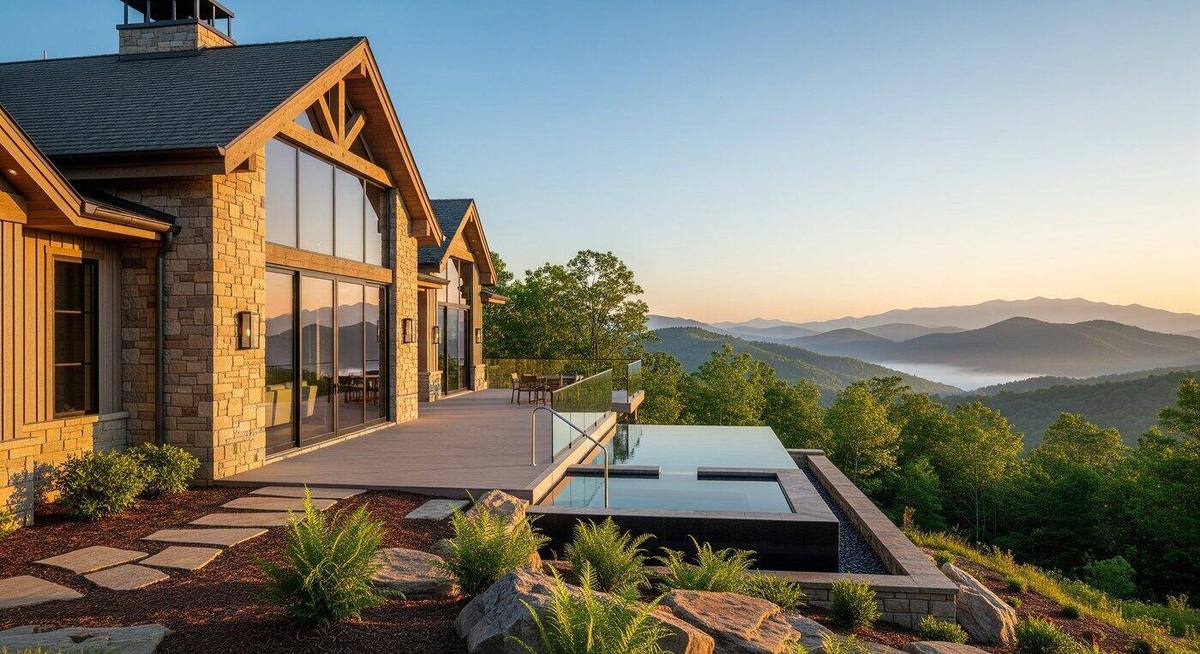
Thinking about building your dream cabin or snapping up a ready-to-enjoy home in Sevierville? In a market shaped by year-round tourism and Smoky Mountain views, your choice affects time to move-in, total budget, and long-term returns. You want clarity on timelines, realistic costs, and what drives ROI here. This guide breaks it down so you can move forward with confidence and a plan. Let’s dive in.
Sevierville market backdrop
Sevierville and greater Sevier County are influenced by proximity to Great Smoky Mountains National Park and steady tourism to nearby Gatlinburg and Pigeon Forge. That demand supports both primary residences and short-term rental investments.
Seasonality matters. Spring and fall leaf seasons, along with summer travel, can affect inventory, pricing, and short-term rental performance. Local market data changes quickly, so plan decisions around current MLS comparables and on-the-ground builder quotes.
Timeline: buy vs build
Buying an existing home
Most buyers close within 30 to 90 days after contract, depending on financing and contingencies.
-
Home search and offer: a few days to several months based on inventory.
-
Due diligence: inspections and appraisal often occur within 7 to 14 days of contract.
-
Financing and closing: conventional loans commonly close in 30 to 45 days after offer acceptance.
What it means for you: buying delivers faster occupancy and, if you plan to rent, earlier income potential.
Building new construction
From land acquisition to move-in, plan for 9 to 18 months or longer for custom or complex sites.
-
Land search and purchase: 30 to 60 days for a ready lot, longer with zoning or approvals.
-
Site work and utilities: weeks to months for grading, driveways, septic or sewer, and hookups.
-
Permits and approvals: several weeks to months based on scope and jurisdiction.
-
Build phase: roughly 6 to 12 months for simpler plans, 12 to 18 months or more for custom builds.
-
Final inspections and occupancy: days to weeks at the end of construction.
What it means for you: building gives you design control but adds permitting, site variables, and contractor scheduling to your timeline.
Budget drivers in Sevier County
Land and site development
-
Land cost: close-in Sevierville locations and parcels with mountain or valley views often command premiums. Land price is separate from build costs and can be a major share of your total.
-
Terrain: hillside or sloped lots increase grading, retaining walls, and foundation complexity.
-
Utilities: confirm availability and distance for water, sewer or septic, electricity, and broadband. Septic design and installation are common line items in rural areas and may limit buildable area.
Construction and soft costs
-
Hard costs: foundation, framing, roofing, exterior finishes, interior finishes, and mechanicals.
-
Soft costs: architectural design, engineering (especially for slopes), permits, inspections, and possible HOA fees.
-
Contingency: many builders suggest 5 to 15 percent or more to cover price swings or unforeseen conditions.
Financing and carrying costs
-
Interest during construction, loan fees, property taxes, and insurance accrue while you build.
-
Buying an existing home concentrates costs at closing and lets you occupy or rent sooner.
Pro tip: avoid relying on national cost-per-square-foot figures. Sevier County’s terrain, utility access, and seasonal labor demand can shift budgets. Get local builder bids and itemized site estimates.
Financing and cash-flow differences
Buying existing
You can pursue conventional mortgages, plus programs like FHA, VA, or USDA where eligible. In parts of Sevier County, USDA rural development may apply. The advantage is simpler loan approval and quicker occupancy.
Building new
Construction loans typically require higher down payments, interest-only draws during the build, and then conversion to a permanent mortgage. Expect more documentation and monitoring from the lender. Rates during the draw period may differ from your final mortgage.
Renovation alternatives
If you prefer faster occupancy with customization, loans like FHA 203(k) or similar renovation products can finance purchase plus improvements, offering a middle ground between buying and building.
Cash-flow takeaway: with building, expect carrying costs before move-in. With buying, you may be able to generate rental income sooner if permitted and appropriate for the property.
ROI: what moves the needle in Sevierville
Drivers that help value and returns
-
Location: proximity to Sevierville amenities, Smokies access, and major corridors.
-
Views and access: mountain or valley views and convenient roads can lift both resale and rental demand.
-
Comparable fit: aligning size, finish level, and features with neighborhood comps supports price.
-
Quality and durability: good craftsmanship, warranties, and energy-efficient systems can attract buyers and renters and lower maintenance.
-
STR suitability: if local rules allow and the property is well-located, short-term rental income can enhance returns.
Pitfalls that reduce ROI
-
Overbuilding: adding expensive upgrades that exceed neighborhood norms can compress price per square foot at resale.
-
Lot constraints: steep slopes, septic limitations, or tricky access can narrow your buyer pool.
-
Market timing: building during slower periods or selling into a supply glut can hold down returns.
Bottom line: your comps and location are the biggest determinants of resale value. For rental ROI, be conservative and account for seasonality and regulatory requirements.
Short-term rental considerations
Rules for short-term rentals vary by jurisdiction within Sevier County and nearby cities. Before relying on rental income, confirm the following for the specific address:
-
Zoning and occupancy limits.
-
STR permits and any required inspections.
-
Local tax collection and remittance rules.
-
HOA or community restrictions.
-
Insurance requirements and premiums for STR use.
Because higher elevations and wooded settings can change insurability and costs, connect with a local insurance provider for replacement-cost estimates and any special coverage for wildfire, wind, or flood.
Hidden risks to check early
-
Septic feasibility: obtain a perc test and discuss system type and location with a septic professional.
-
Slope and soils: steep lots may require geotechnical review, engineered retaining walls, or specialized foundations.
-
Flood and erosion: review FEMA flood maps and site drainage plans.
-
Utility availability: confirm water, sewer or septic, electrical capacity, and broadband speeds.
-
Contractor capacity: busy seasons can extend schedules and increase labor costs.
-
Access and logistics: evaluate driveway grade, winter access, and delivery staging for hillside sites.
Side-by-side decision framework
If you are buying an existing home, vet:
-
Recent comparable sales from the last 6 to 12 months.
-
Property condition and near-term repairs for roof, HVAC, structural, pest, and systems.
-
Zoning, easements, and flood status.
-
STR potential in line with local rules and HOA documents.
If you are building new, vet:
-
Lot suitability, including perc test and topography.
-
Site prep scope and costs for grading, retaining walls, and erosion control.
-
Utility hookups and fees for water, sewer or septic, electric, and internet.
-
Builder contract terms, schedule, draws, allowances, and warranties.
-
Construction loan terms, interest during construction, and conversion to permanent financing.
-
Projected resale comps for your finished plan in the immediate area.
How to compare total cost and ROI
Use a simple, structured approach to keep decisions grounded in data:
-
Estimate total invested capital: land price plus all site work, construction hard and soft costs, contingency, and carrying costs during the build.
-
Determine expected value: use neighborhood comps for a finished, similar home.
-
Check the gap: compare expected value at completion to total invested capital to see if you need appreciation to break even.
-
For rentals: estimate annual net income after expenses and management, then calculate cash-on-cash return and cap rate to compare against alternatives.
When building makes sense
-
You own or can secure a lot with favorable terrain, utilities, and location.
-
You want design control and are targeting features that comps support.
-
Your timeline allows 9 to 18 months and you can carry interest and taxes.
-
You plan to operate as an STR in a permitted area where design and amenities drive higher nightly rates and occupancy.
When buying wins
-
You value speed to key-in-hand occupancy or rental income within 30 to 90 days.
-
You prefer predictable costs and fewer moving parts than a ground-up build.
-
You find a well-located property with strong comps and minimal immediate repairs.
-
You want to test STR performance sooner with less construction risk.
Next steps in Sevierville
Gather current comps, get two to three builder bids if you are considering new construction, and confirm septic, slope, and utility realities for any lot before you commit. If STR income is part of your plan, validate local permitting and insurance early and model conservative seasonal occupancy.
You do not have to choose alone. If you want an integrated path from site and design through leasing and management, or you prefer a curated MLS search for proven performers, our team can help you compare apples to apples and move decisively.
Ready to talk through your scenario, from budget to timeline and ROI? Connect with Smithsonian Real Estate for local guidance and a turnkey plan that fits your goals.
FAQs
How long does it take to build a home in Sevierville?
- Plan for roughly 9 to 18 months from land purchase to move-in, with timelines affected by permits, site work, weather, supply chains, and contractor availability.
How fast can I close on an existing Sevierville home?
- Many buyers close within 30 to 90 days after contract, depending on financing, inspections, appraisal, and negotiated repairs.
Which is cheaper in Sevier County, building or buying?
- Buying often costs less up front and gets you in sooner, while building can pencil out if land is favorable and you control site costs; local bids and comps determine the winner.
What are the biggest hidden costs when building in the Smokies?
- Site work such as grading and retaining walls, septic systems, utility extensions, permit delays, and contingencies for weather or price changes are common budget surprises.
Can I build and operate the home as a short-term rental?
- Yes where permitted, but confirm zoning, STR permits, taxes, HOA rules, insurance, and conservative seasonal income projections before you count on rental revenue.
How do I estimate ROI for a new build in Sevierville?
- Add land, build, soft, and carrying costs, compare to comps for the finished home, and for rentals calculate net income to derive cap rate and cash-on-cash returns.
This article is general educational information, not legal, tax, or financial advice. Rules, rates, and local regulations change and depend on your specific situation. Consult your CPA, attorney, or a qualified professional before acting.
Thinking about buying, selling, or investing in the Smokies? Connect with Smithsonian Real Estate for a market-informed plan tailored to your goals.
Get the checklist
Enter your details and the one-page PDF downloads instantly. No spam, no pressure.


